
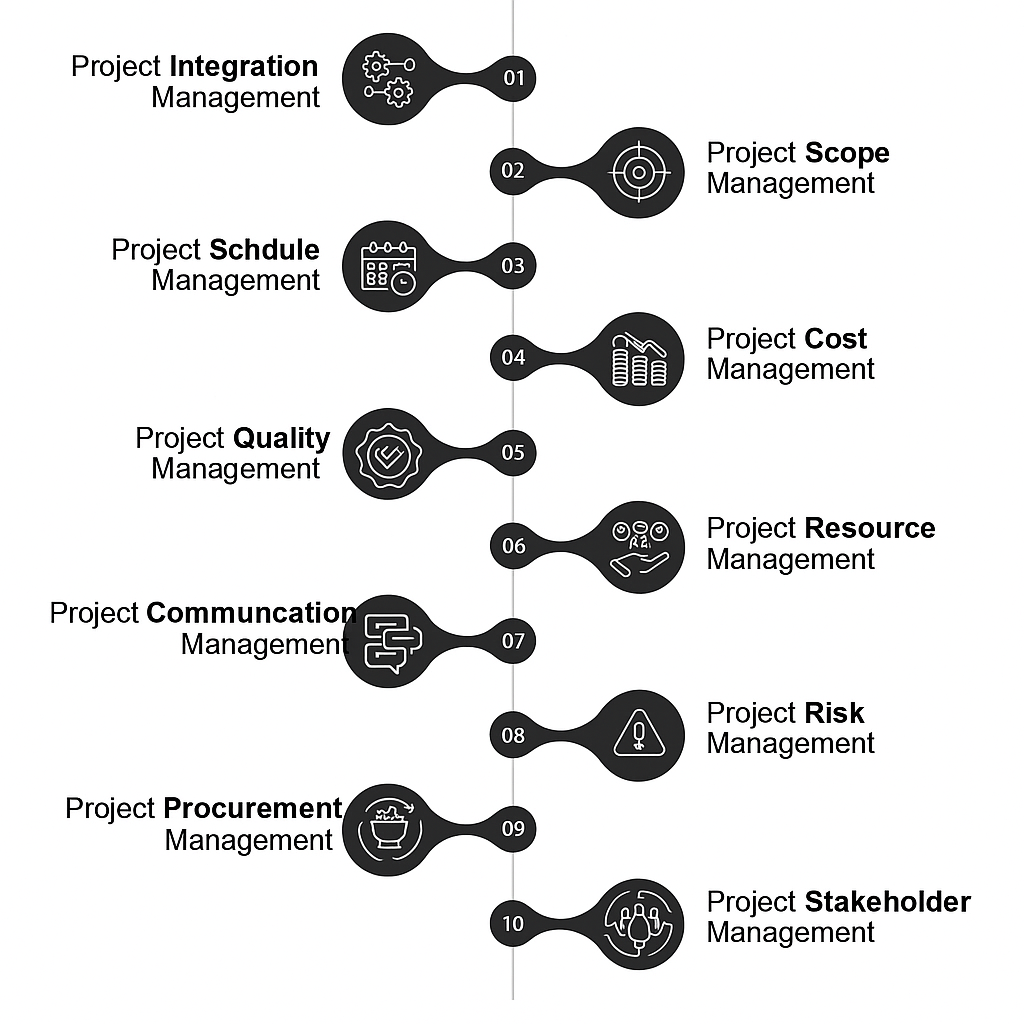
A few days ago, I stumbled upon PMBOK guide (again) when preparing some presentation, which showcasing the 10 knowledge areas of project management. There are two things in my mind when I looked at them: first, these 10 knowledge areas represent what project managers do on a daily basis to keep their projects running smoothly; and second, how to explain them to people who are not familiar with project management.
Well, not long after that, I had an interesting discussion with my friend’s 4-year-old son, who asked me about the construction staging of the Jeddah Tower (soon to be the tallest skyscraper in the world). It’s really interesting how kids these days are so knowledgeable and curious. After our chat, while checking my presentation in the car, my mind went back to the PMBOK Knowledge Areas. I wondered: how can we explain this to people in a way that’s easy to understand? Then I thought of my niece and nephew. We’re all huge LEGO fans and often build simple LEGO sets together. I suddenly realized that we can think of a project like building a LEGO set, and apply the 10 PMBOK Knowledge Areas to complete it. There are 10 knowledge areas in PMBOK: Integration Management, Scope Management, Schedule Management, Cost Management, Quality Management, Resource Management, Communication Management, Risk management, Procurement Management, and Stakeholder Management.
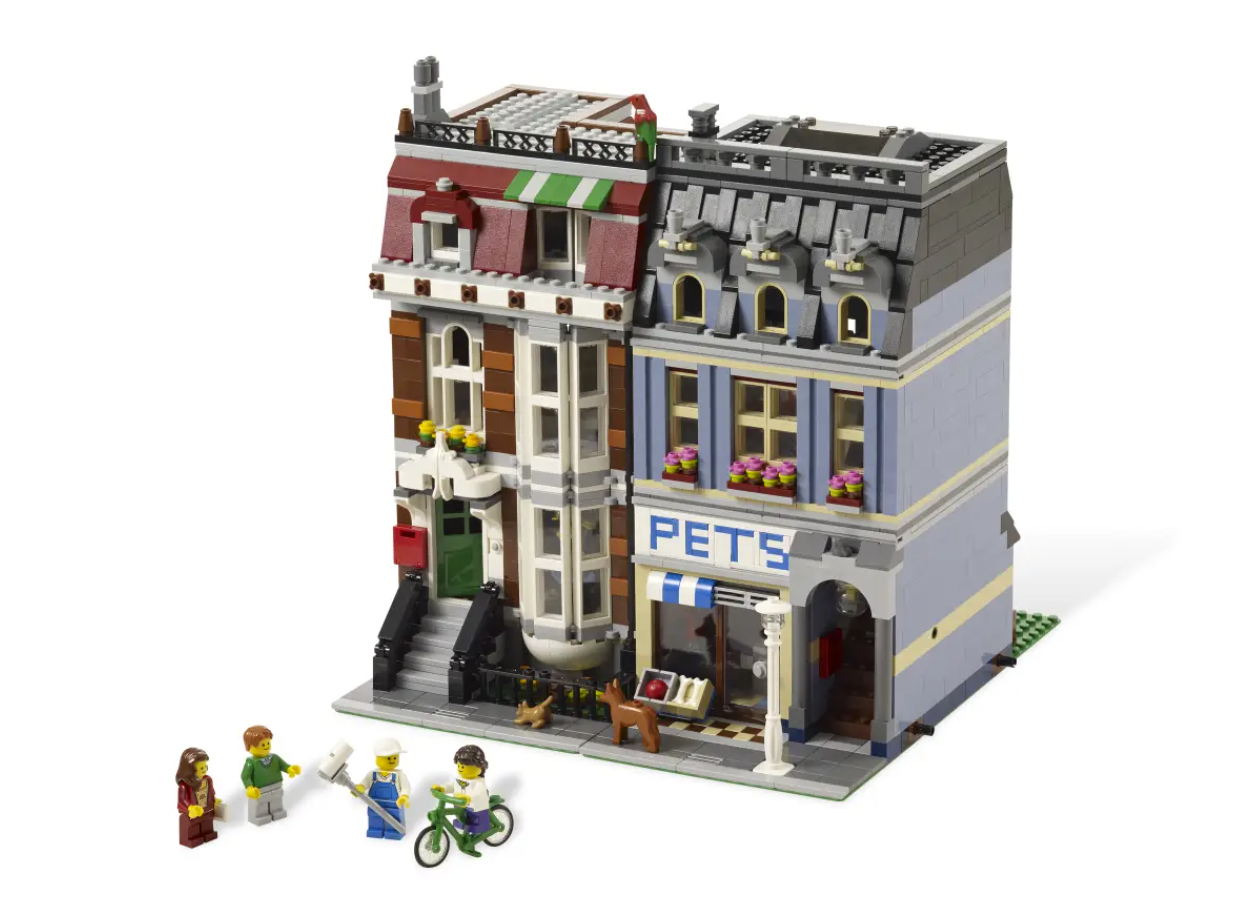
1. Integration Management is the master plan, for example if we want to build this LEGO Pet Shop set we need to make sure we finish the whole set as required. Integration management is about making sure we achieve our project goals, everything must work as on one big plan from scope, schedule, cost, quality, risk, team and even if there are any changes.
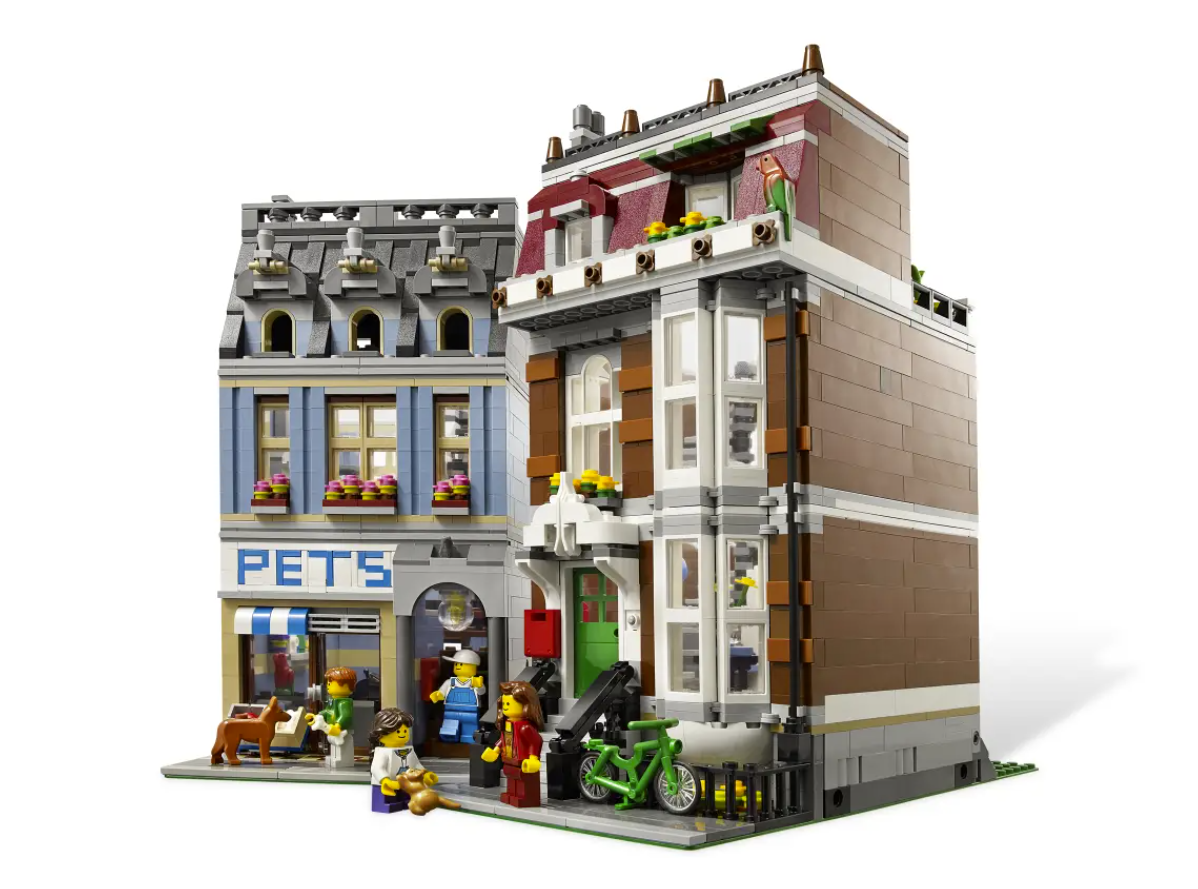
2. Scope Management is about making sure that the set is built exactly as required, not less and nothing extra. It is about the art of defining and controlling the scope of works. For example for this set, there will be two buildings in the set: the pet shop (the blue one) and the house (brown one). scope Management is making sure we delivered the right number of buildings and right number of bricks as well. In LEGO set usually there is the number of bricks at the end of the manual book, in real project we have the bill of quantity.
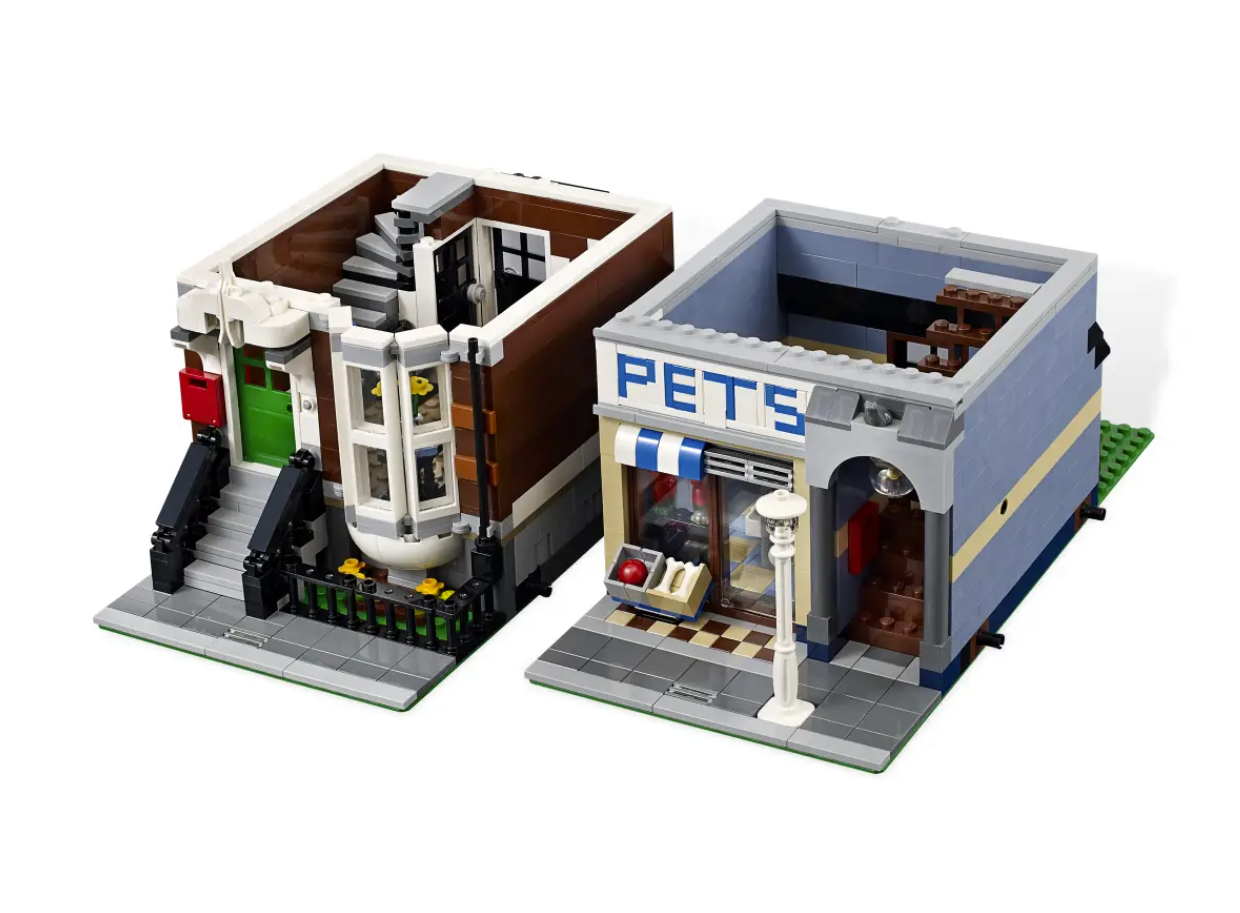
3. Schedule Management is about making plan and milestone of the project. This is one of my favorite part in the project management. Before working with BIM, I work with scheduling a lot. Schedule management is simply about managing which part that need to be finished first, some works can be finished independently, some need predecessor. For example, we want to finish the house first before the pet shop, so we’re setting a milestone. In building the house, there are 3 level, we need to finish the 1st floor before the 2nd floor and roof floor. The 1st floor is predecessor for the 2nd floor that we need to finish first. The main goal of schedule management is making sure that we deliver the project on time.
4. Cost Management is where we make sure that the project stays within the budget from the beginning until finish . It is about planning how much money (or bricks in term of LEGO) the project is required to finish. Usually at the beginning, it means estimating total cost and budget. During the construction it means controlling and tracking our spending so we don’t run out of money (or bricks).
5. Quality Management is about making sure the project (or the LEGO set) built well and meet the agreed standards. We need to make sure not only the looks or finishing, but also the structure is strong and reliable. During the construction for example, we need to check if the pieces click correctly and is not falling apart. In a real project usually we have this kind of quality target for each work that we need to achieve, usually it is defined at the beginning and later during the project delivery we need to monitor our work to achieve the target.
6. Resource Management is about having the right people, tools and number of bricks to finish the project. For example if I work with my niece and nephew, me as the project manager will decide who builds which part. Also we need to make sure that we have enough bricks to build the set. The whole point of resources management is keeping everyone working smoothly while making sure no one runs out the bricks they need.
7. Communication Management is about making sure everyone understand how the finished set should look, which means everyone know what’s done and what’s next. It also means clear instruction for all stakeholder and avoiding confusion so no one builds the wrong part.
8. Risk Management means thinking ahead about what could go wrong with the project, it’s like losing LEGO bricks or the building collapse. Risk management is about making a plan how to avoid or mitigate these potential problem (also how to fix them quickly it happens) so the project stays on track.
9. Procurement Management is simply about getting anything what the project needs from the suppliers and making sure it arrives on time within the budget. It means getting the right LEGO set from the store or online.

10. Stakeholder Management is about understanding who cares about our LEGO project and their expectation. What we need to do is keeping them happy and informed during the project delivery.
In the end, building a LEGO set with my niece and nephew felt just like running a project. And if we look closer, each of the 10 PMBOK knowledge areas showed up too. Because we decided what to build, followed the steps (from the manual), stayed on budget (number of bricks), mitigated risks (like missing pieces or a building collapse), and kept everyone excited from start to finish. Using this LEGO example makes the 10 PMBOK knowledge areas and project management as a whole quite easy to understand.
 A Daydreamer's Journal