
My coffee habit is kind of hereditary in my family. I’ve been enjoying coffee since my teenage years, and my love for it only grew stronger during university. What’s better than savoring a cup of coffee with pisang goreng on a peaceful Sunday morning? Coming from a family of coffee drinkers, we appreciate all kinds of coffee, from manual brews to espresso-based drinks. My parents love their coffee simple, whether it’s kopi tubruk, kopi saring, or just a plain long black. As for me, I sometimes prefer mine with a bit of milk.
Living in Indonesia feels like a blessing for a coffee lover like me. Our country offers an incredible variety of coffee, from the legendary kopi Aceh Gayo in the west to kopi Toraja in the east. Exploring Indonesia becomes even more exciting when every region has its own coffee specialties to explore.
Indonesia isn’t just one of the world’s largest coffee producers, it’s a country where coffee is deeply intertwined with culture. For us, coffee is more than a beverage. It’s a tradition, a social ritual, and a symbol of hospitality. Across the archipelago, coffee has been enjoyed in warung kopi (local coffee stalls), kopitiams (Chinese-Indonesian coffee houses), and family gatherings for centuries. While modern coffee culture continues to grow, traditional brewing methods remain deeply rooted in our society. Let’s explore the richness of Indonesia’s traditional coffee culture.
Indonesia’s coffee story began in the 17th century, when Arabica coffee was introduced to Java by the Dutch. Over time, coffee cultivation spread across the islands, and each region developed its own unique ways of preparing and enjoying coffee. Unlike modern espresso-based drinks, traditional Indonesian coffee is bold, unfiltered, and made using simple techniques that highlight the natural richness of the beans.
Kopi tubruk is perhaps the simplest yet strongest traditional brewing method. Made by boiling finely ground coffee with hot water and sugar, the grounds are left to settle at the bottom of the cup. This method is a staple in Javanese households, including my own. We often pair it with snacks like tahu goreng or pisang goreng.
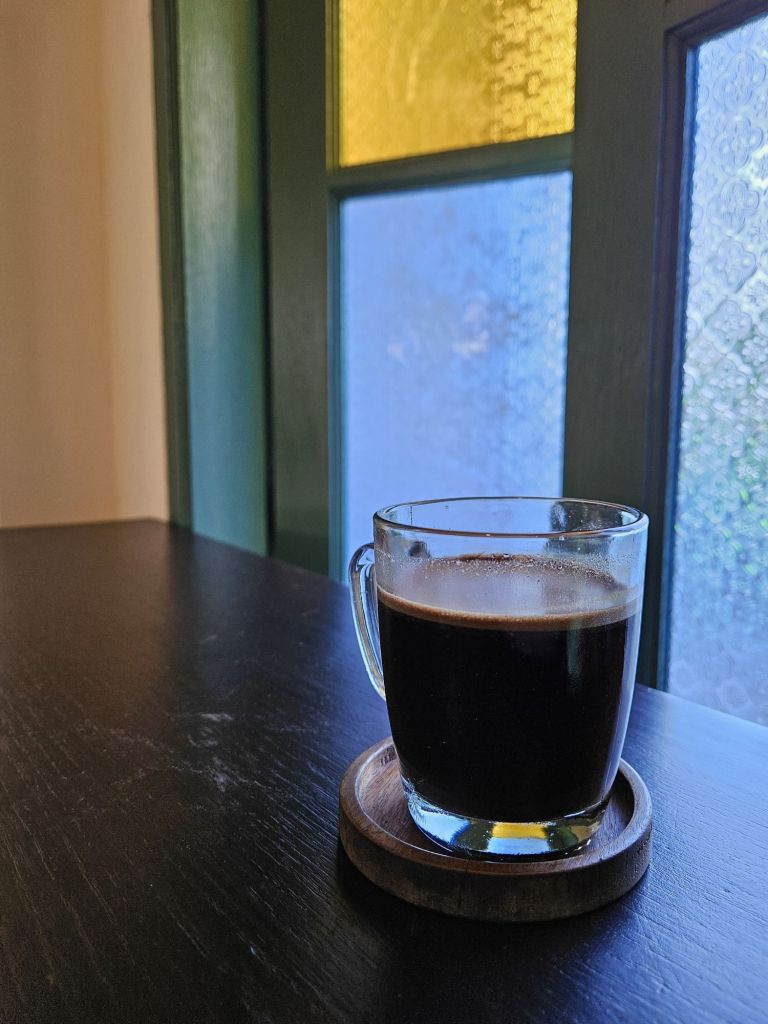
Kopi joss, it’s a truly unique coffee experience. This brew involves adding a hot piece of charcoal to a glass of kopi tubruk. The charcoal, which containing carbon, neutralizes some of the coffee’s acidity, giving it a smooth and smoky flavor. Originating from angkringan (street vendors), it’s a popular drink in Surakarta and Yogyakarta.
Kopi sanger, a specialty from Aceh and other parts of Sumatra, kopi sanger combines strong black coffee with condensed milk. The coffee is “pulled” to create a light froth before serving, making it a delightful part of the warung kopi culture in Sumatra.
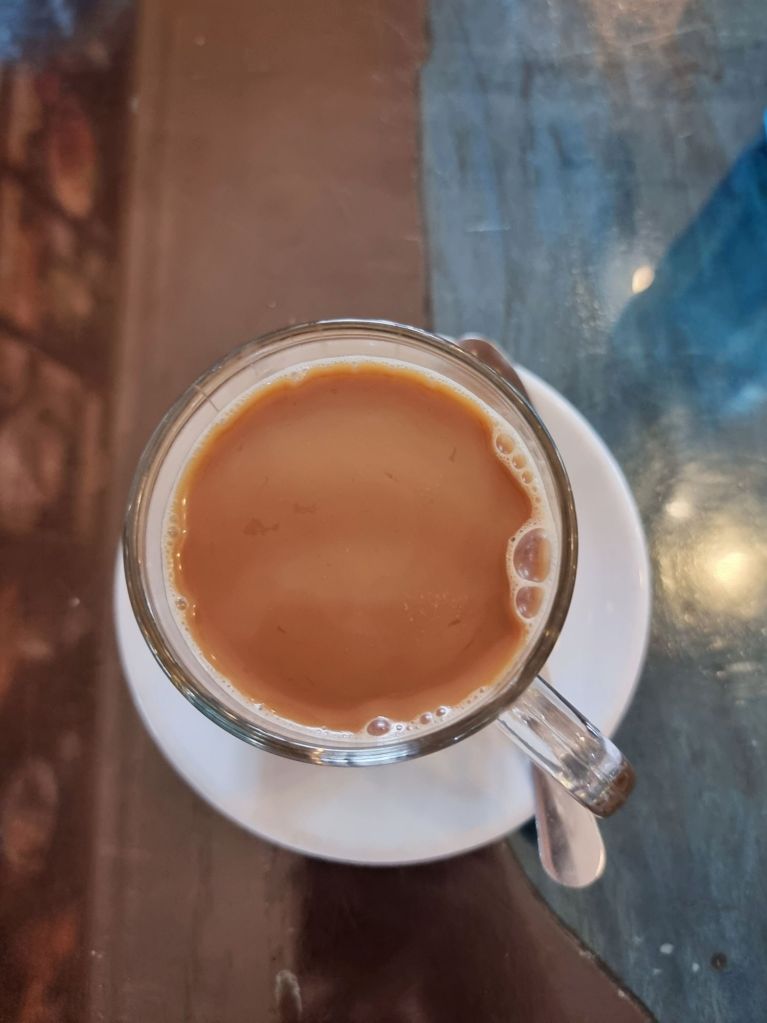
Kopi tarik gets its name from the pulling technique used to create a frothy texture. The coffee is poured back and forth between two cups, often sweetened with sugar or condensed milk. Popular in kopitiams across Sumatra, Kalimantan, and other Malay-influenced regions, it’s both a treat to drink and watch being made.
Kopi klotok is made by brewing coarse coffee grounds in an irot pot over a wood fire. This coffee is traditionally served alongside Javanese dishes like nasi telur dadar and lodeh. It’s best enjoyed in the countryside of Yogyakarta, where people gather in traditional warung kopi.
Kopi saring. Originating from Pontianak’s kopitiam culture, kopi saring (filtered coffee) uses a cloth filter similar to Malaysia’s “sock coffee” method. The resulting brew is mixed with either sweetened condensed milk or evaporated milk, creating a smooth, creamy texture. It’s a staple in Chinese-Indonesian coffee shops and is often enjoyed with kaya toast or soft-boiled eggs.
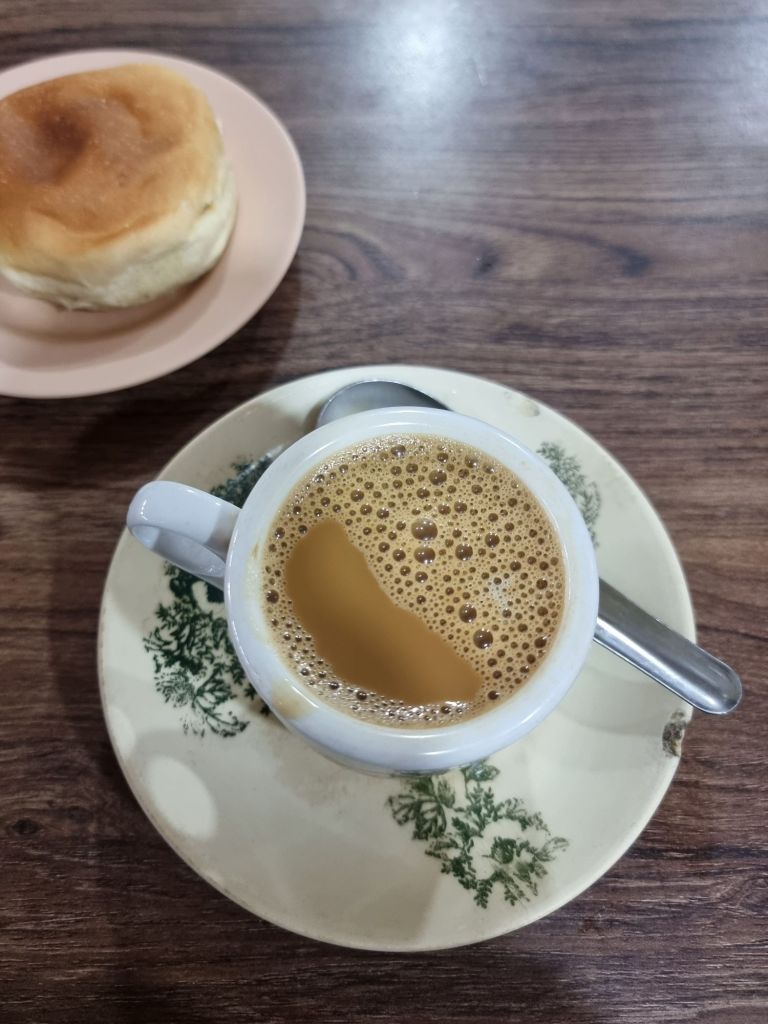
Indonesia’s traditional coffee culture is a beautiful blend of history, craftsmanship, and social connection. While modern coffee culture is flourishing, traditional brews like kopi tubruk, kopi joss, and kopi sanger remain an integral part of Indonesia’s identity. By supporting local coffee farmers, traditional coffee shops, and warung kopi, we can ensure that Indonesia’s rich coffee heritage continues to thrive for generations to come.
Hatur nuhun and regards from me while enjoying my kopi tubruk in a warung kopi in Bogor. Cheers ☕

 A Daydreamer's Journal