

Back in 2020, during the COVID pandemic, I convinced myself to continue my studies after working for several years in the construction industry. In fact, I probably should have written this post years ago. I remember a few people once approached me and asked me to write about scholarship hunting and the application process, sorry that I’m only writing it now.
Here, I won’t go into the technical details of the process. It has been years, and I know regulation and process have changed. Instead, I want to share a more general reflection on studying and scholarships. Take this as a tiny way of giving back to society, from my perspective as a scholarship awardee.

Find your why
This simple sentence reminds us of Simon Sinek’s book (well, I highly recommend this one) but more importantly, it captures the key idea. It also applies not only to continuing your studies, but to life decisions in general.
Looking back, I actually wanted to pursue a master’s degree right after finishing my bachelor’s in Bandung. However, during my final year, my dad reminded me that gaining industry experience first might be more valuable. I vividly remember we had a heated discussion during lunch whether working first or immediately continuing my study.
At the end I know that, there is no right or wrong answer to whether you should work first or immediately pursue a master’s degree after graduating. It really depends on what you want to do in the future. In my case, I wanted to work in the industry, so I needed a clear reason why I should pursue a master’s degree. Like what knowledge are really needed or what exactly what I wanna do in this industry. While working, I kept searching for my why until I finally found it.
We All Got Our Own Timing
How long does it take to find your why? It depends. Once you find it, just do it. For me, it took five years. Some of my friends found theirs sooner, others took longer. Stop comparing yourself to others. We all have our own timelines. Just trust your instincts, and keep going. I believe we will know when it’s our time.
Know your Vision and Goals
Pursuing further study is not the final destination, it’s a step toward something else. Besides understanding your why, you also need to know what you want to do after you finish. This doesn’t mean you need to secure a job in advance. But at the very least, you should have an idea of how you want to use the knowledge and perspective you gain from your studies.
Do Your Research and Lock In.
There are countless options out there: countries, universities, majors, and scholarships. Do your research. Each university has its own admission requirements, and each scholarship got its own selection process. Find what aligns with your why and your long-term goals, then commit to it. The preparation will naturally follow the choices you make, so before committing, make sure you truly understand them first
Be Persistent
Once you decide to continue your study (in my case pursuing a master’s degree) especially with a scholarship, you need to fully commit. There is no instant method. I had to prepare deliberately and patiently. Coming from a non-English-speaking country, I needed to prepare for English proficiency tests like IELTS or TOEFL as well. That meant studying after work, sacrificing some Netflix nights. Everything takes time. Trust the process.
In my humble opinion, once you really understand these steps, you will go through the journey with much more confidence. For me, pursuing a scholarship became a journey of self-discovery. I wasn’t in a rush. I spent five years working in the industry, gaining experience and understanding myself better.
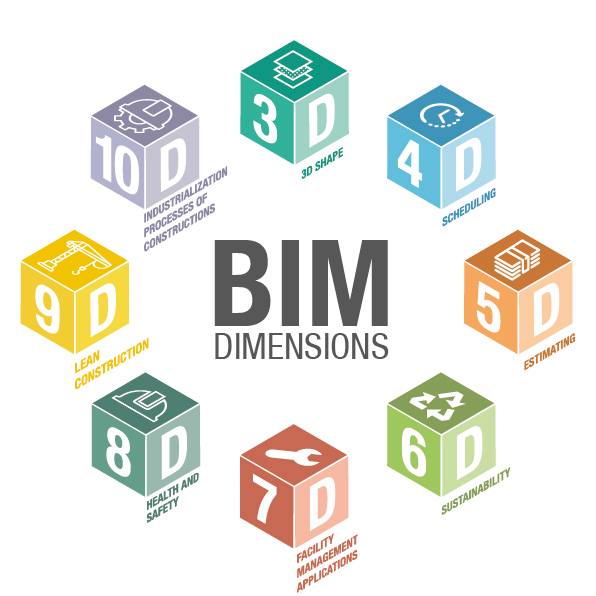
During those years, my path shifted several times: from geotechnical engineering, to quantity surveying, then to Building Information Modeling. It was there that I found my passion and eventually decided to pursue a master’s degree in digital engineering management. Even after finishing my studies, my career direction continued to evolve. I’ve learned to see every shift as a learning opportunity.
To those who want to pursue studies abroad: what I gained was not only knowledge, but also perspective, a broader one. for me, wherever we are, we should keep learning.
So keep seeking knowledge, wherever life takes you.
Cheers










 A Daydreamer's Journal